

Veteran pawn brokers often receive jewelry set with diamonds. The gold is easy to evaluate and usually melted down, leaving the diamonds behind.
While many pawn brokers have deep expertise across a wide range of pawned items, diamonds are different. Even with a solid understanding of the 4 Cs, it can still be difficult to know what a stone is really worth in the current market.
Diamonds behave differently than most items that pass through a pawn shop. They do not have a visible spot price, they do not sell the same way everywhere, and their value depends heavily on who is buying. Two stones that look similar can bring very different results depending on how and where they are sold.
Auctions can be an effective way to unlock that value, but only if stones are submitted correctly. It is also important to note that Rapaport Auctions works exclusively with natural diamonds, which is where professional trade demand is most active. When diamonds are poorly prepared or misunderstood, auction results can fall short of expectations.
Below are the 7 most common mistakes pawn brokers make when sending diamonds to auction and how to avoid them.
1. Expecting a Single Buyer to Set the Price
One of the biggest mistakes is assuming a diamond has one fixed value. In reality, diamond pricing depends heavily on who sees the stone and why they need it.
Selling to one local buyer limits price discovery. That buyer may already have similar inventory or may only buy at a deep margin. Auctions work differently because multiple trade buyers compete at the same time. Some buyers are filling specific orders. Others are restocking. That competition is what reveals true market value.
When pawn brokers base expectations on a single offer or an old quote, the auction result can feel disappointing even when it reflects real demand.
What to do instead: Focus on exposure. The more qualified buyers who see the stone, the clearer and more accurate the pricing outcome.
2. Misunderstanding How the Price List Is Used at Auction
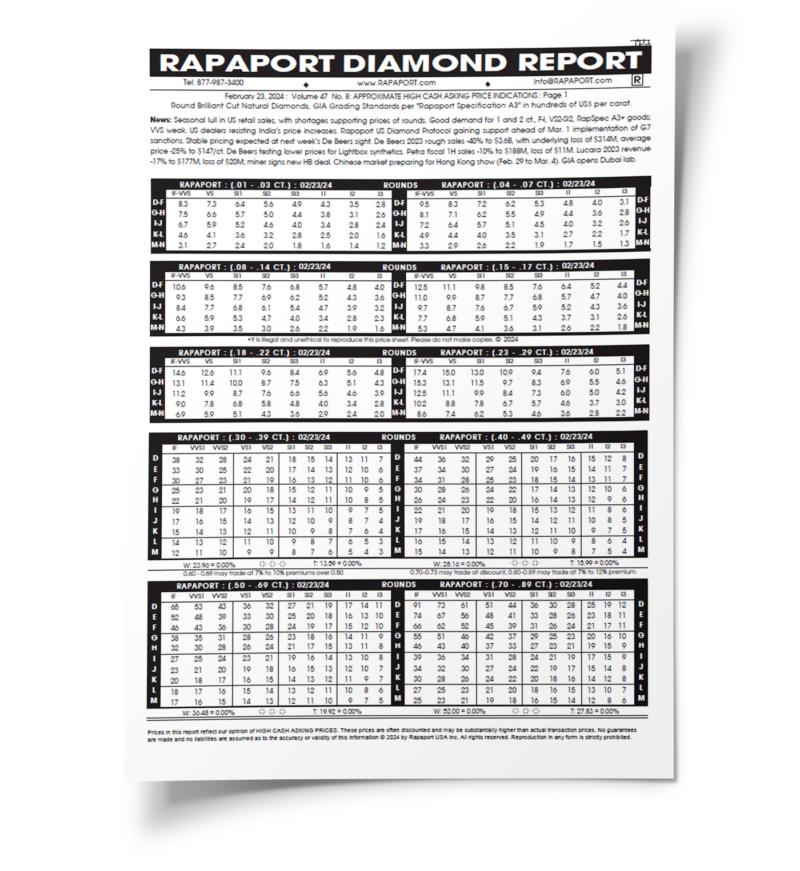
Another common mistake is treating the Rapaport Price List as a final answer rather than a benchmark.
Some pawn brokers assume that if a diamond aligns with a certain price list category, it should sell at or near that number. In reality, buyers use the price list as a reference point. They adjust their bids based on condition, certification status, cut quality, and current supply and demand.
When expectations are set too tightly around the price list, auction results can feel disappointing even when they accurately reflect the market.
What to do instead: View the price list as a guide, not a guarantee. Strong preparation, proper certification, and broad buyer exposure matter more than hitting a specific list number.
3. Mixing Unlike Stones in One Submission
Pawn brokers often submit diamonds as they come in. Mixed parcels of different sizes, qualities, and types may seem efficient, but they create confusion for buyers.
Buyers specialize. When a parcel includes stones outside a buyer’s focus, they either bid conservatively or pass entirely. This lowers overall results.
What to do instead: Separate stones by type. Single stones should be submitted individually whenever possible. Melee should be grouped by size and quality ranges. Clear groupings make the goods easier to evaluate and attract buyers who are actively looking for that category.
4. Ignoring Post-Submission Recommendations
After diamonds are submitted, the Rapaport Auctions team reviews the lot and provides recommendations designed to improve auction performance.
These recommendations can include sorting and boiling diamonds, moving a stone from melee into a single stone auction, obtaining a GIA certification, or recutting a chipped stone. While these steps may involve additional cost, they are made with the seller’s best interests in mind.
Some pawn brokers hesitate to act on these recommendations, viewing them as optional or unnecessary. Skipping them often results in weaker buyer confidence and softer bidding.
What to do instead: Treat post-submission recommendations as part of the selling process. Investing in proper preparation, certification, or minor improvements can materially increase buyer participation and lead to stronger auction results that outweigh the added expense.
5. Overestimating Condition or Quality
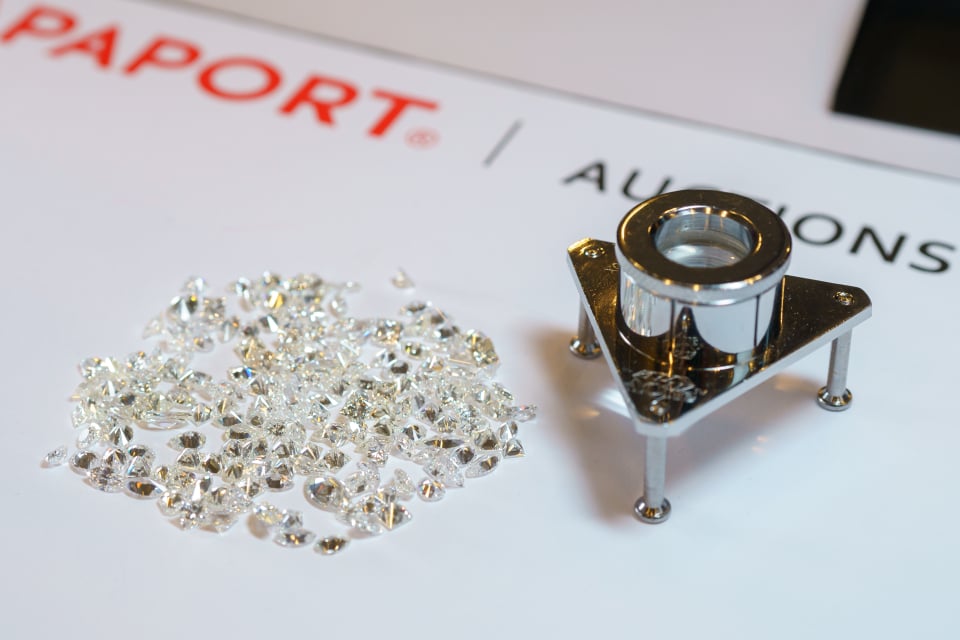
It is common to rely on visual inspection or older paperwork when assessing a diamond. However, small details matter. Chips, abrasions, fluorescence, and re-cuts all affect value in the trade.
Overestimating quality leads to unrealistic expectations and can result in stones failing to sell. An unsold diamond means more time in the safe and more capital tied up.
What to do instead: Let professionals assess the stone before auction. Accurate grading and honest positioning lead to stronger bidding and better sell-through.
6. Setting Unrealistic Expectations
Some pawn brokers enter auctions hoping for a best-case price. Auctions are not about hitting a lucky number. They are about discovering the price buyers are willing to pay at that moment.
Holding out for an unrealistic result often leads to repeated attempts to sell the same stone, each time with less momentum.
What to do instead: Think in terms of liquidity. A strong auction result is one that converts inventory into cash efficiently at a fair market price.
7. Treating Diamonds Like Other Pawned Items
Diamonds do not behave like other pawned goods. Pricing is global, not local. Demand shifts constantly based on size, quality, and market trends.
Applying the same selling logic used for electronics, watches, or tools often leads to underperformance.
What to do instead: Work with auction platforms and partners who understand the diamond trade and provide access to professional buyers worldwide.
The Bottom Line
For pawn brokers, auctions are not about taking a risk. They are about replacing guesswork with market clarity. Avoiding these mistakes helps diamonds move faster, reach the right buyers, and achieve real market value.